AI & Technology
How AI is transforming the real estate industry.
70 articles• Page 2 of 6
AI & Technology articles
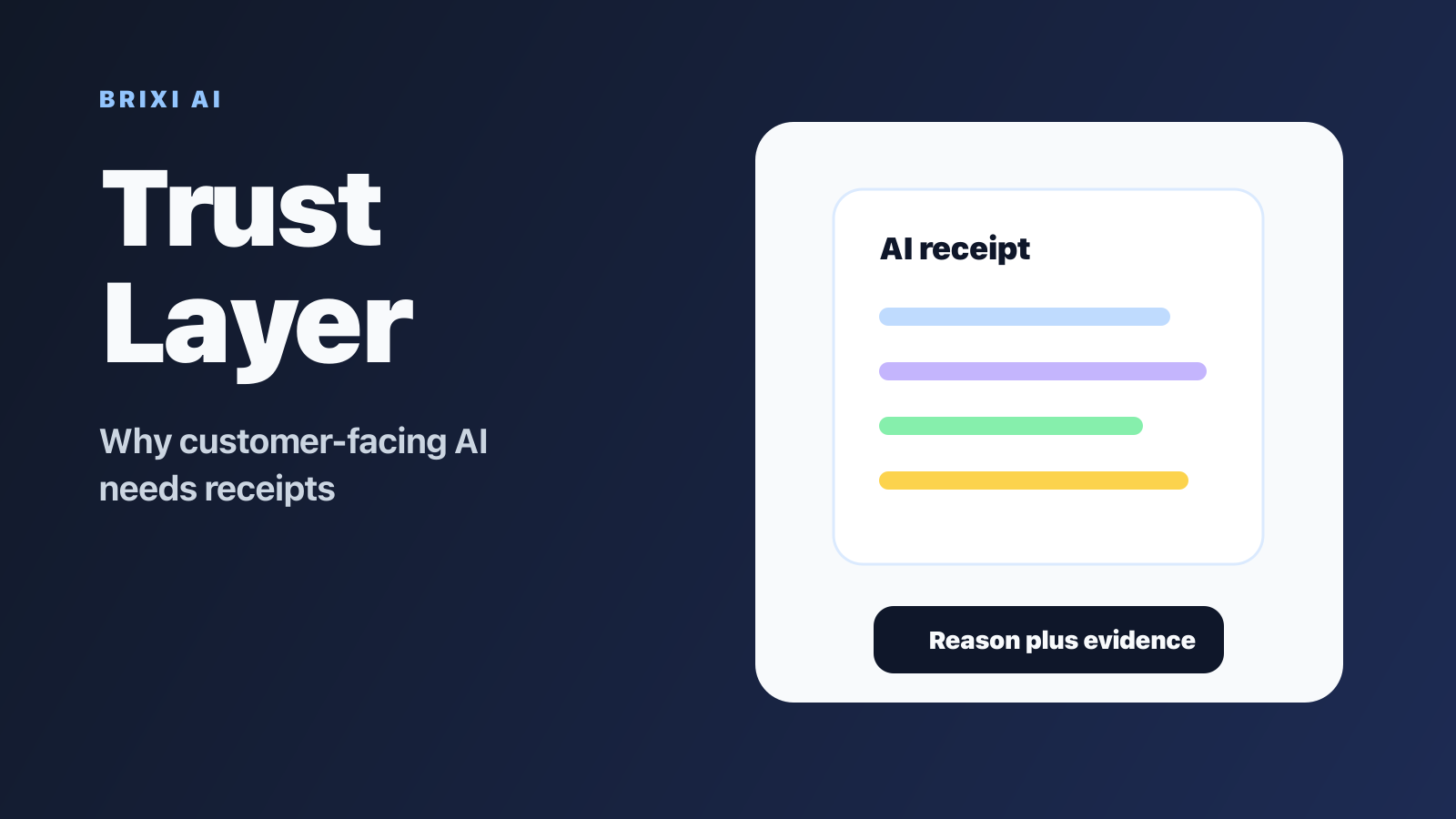
The Trust Layer: Why Customer-Facing AI Needs Receipts
As AI takes more customer-facing action, teams need receipts: reason codes, summaries, evidence, and audit trails that explain why the AI routed, scored, escalated, or stopped.
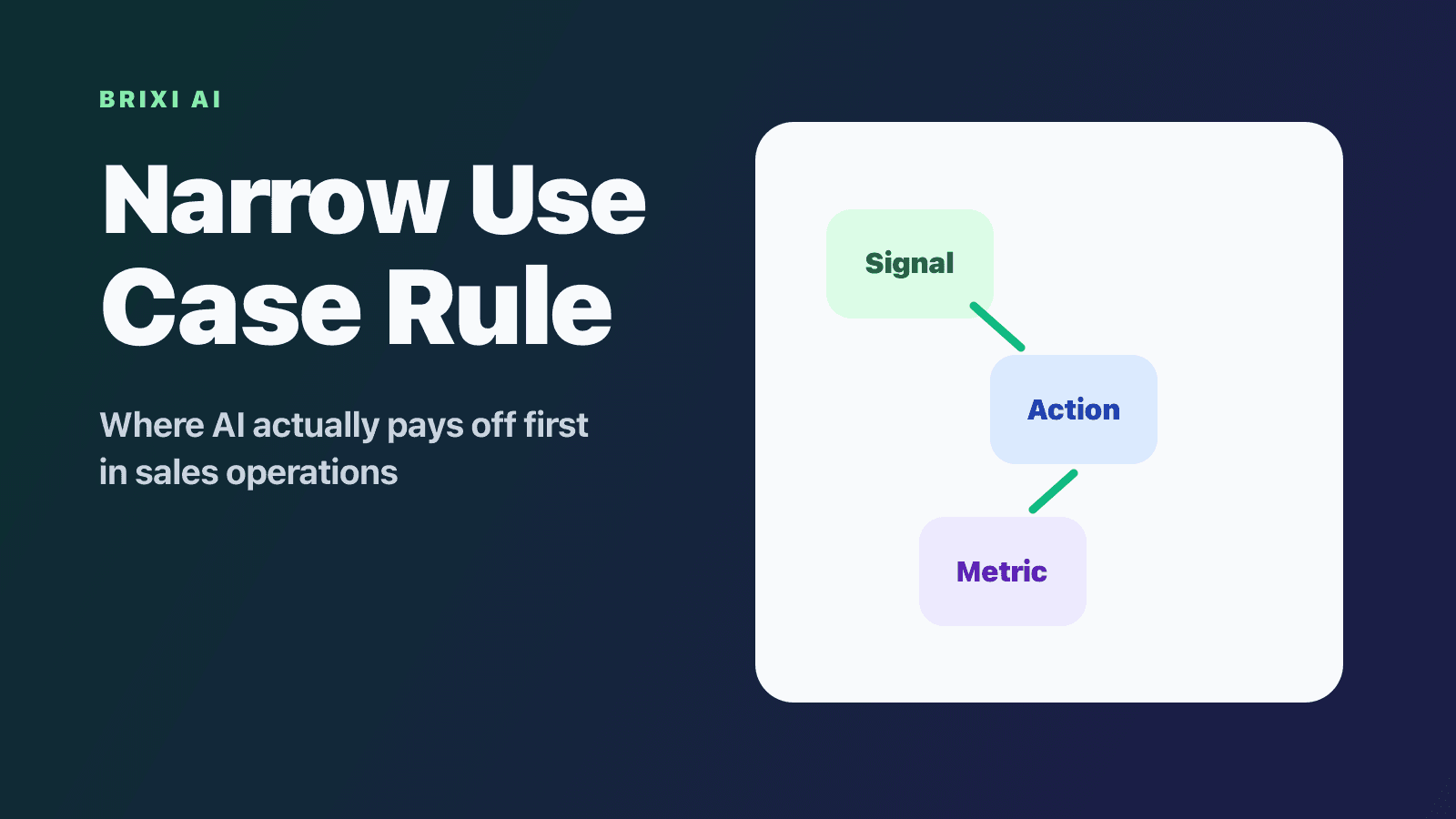
The Narrow Use Case Rule: Where AI Actually Pays Off First in Sales Ops
Sales teams do not need AI everywhere on day one. The first wins come from narrow workflows where the buyer signal, team action, and success metric are clear enough to operationalize.
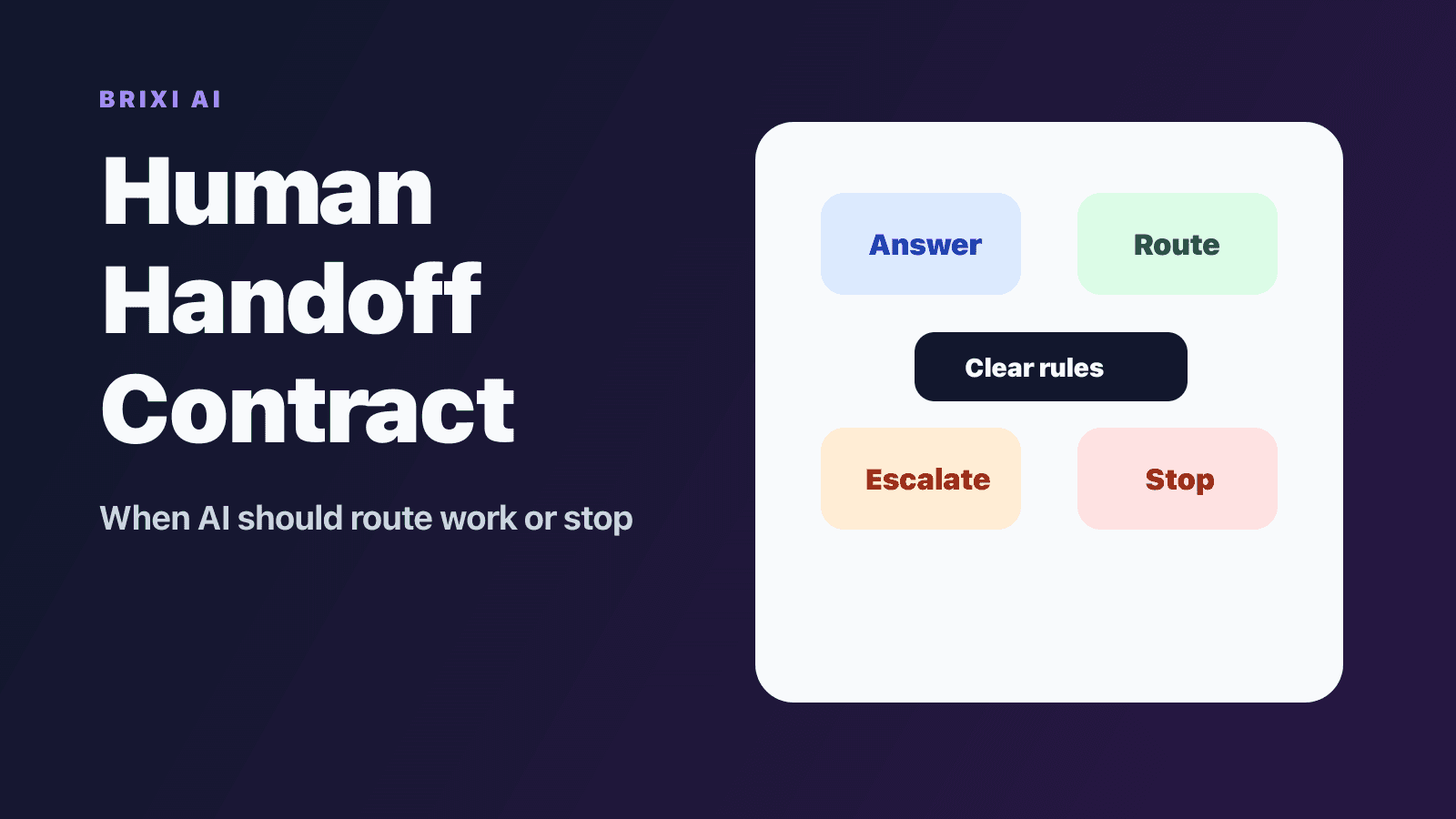
The Human Handoff Contract: When AI Should Escalate, Route, or Stop
A customer-facing AI system needs more than a fallback to a human. It needs a Human Handoff Contract that defines when to escalate, route, or stop before the customer journey breaks.
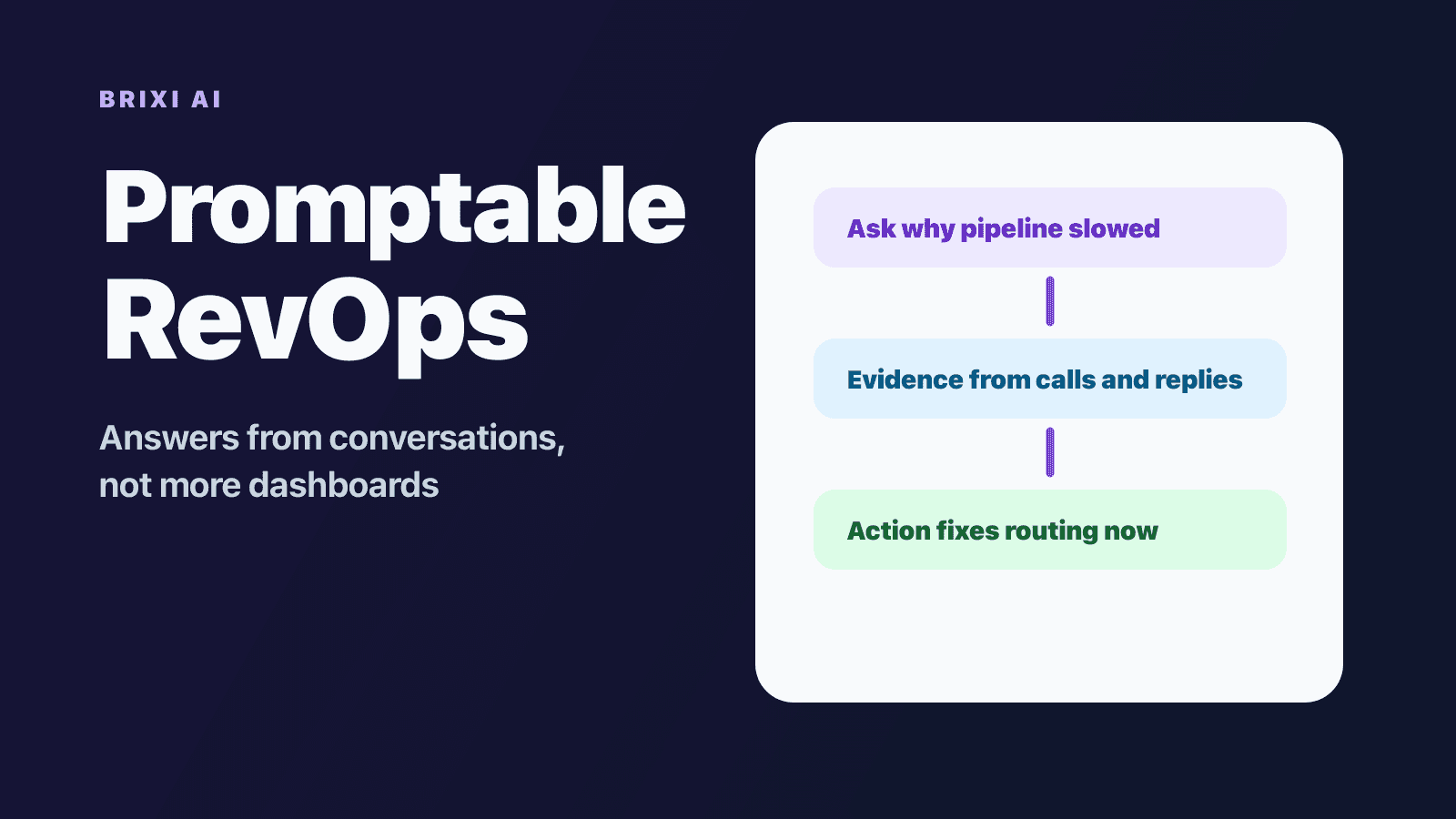
Promptable RevOps: Why Leaders Need Answers From Conversations, Not More Dashboards
RevOps leaders do not need another static dashboard. They need promptable answers from the conversations where objections, risk, intent, and next steps actually appear.
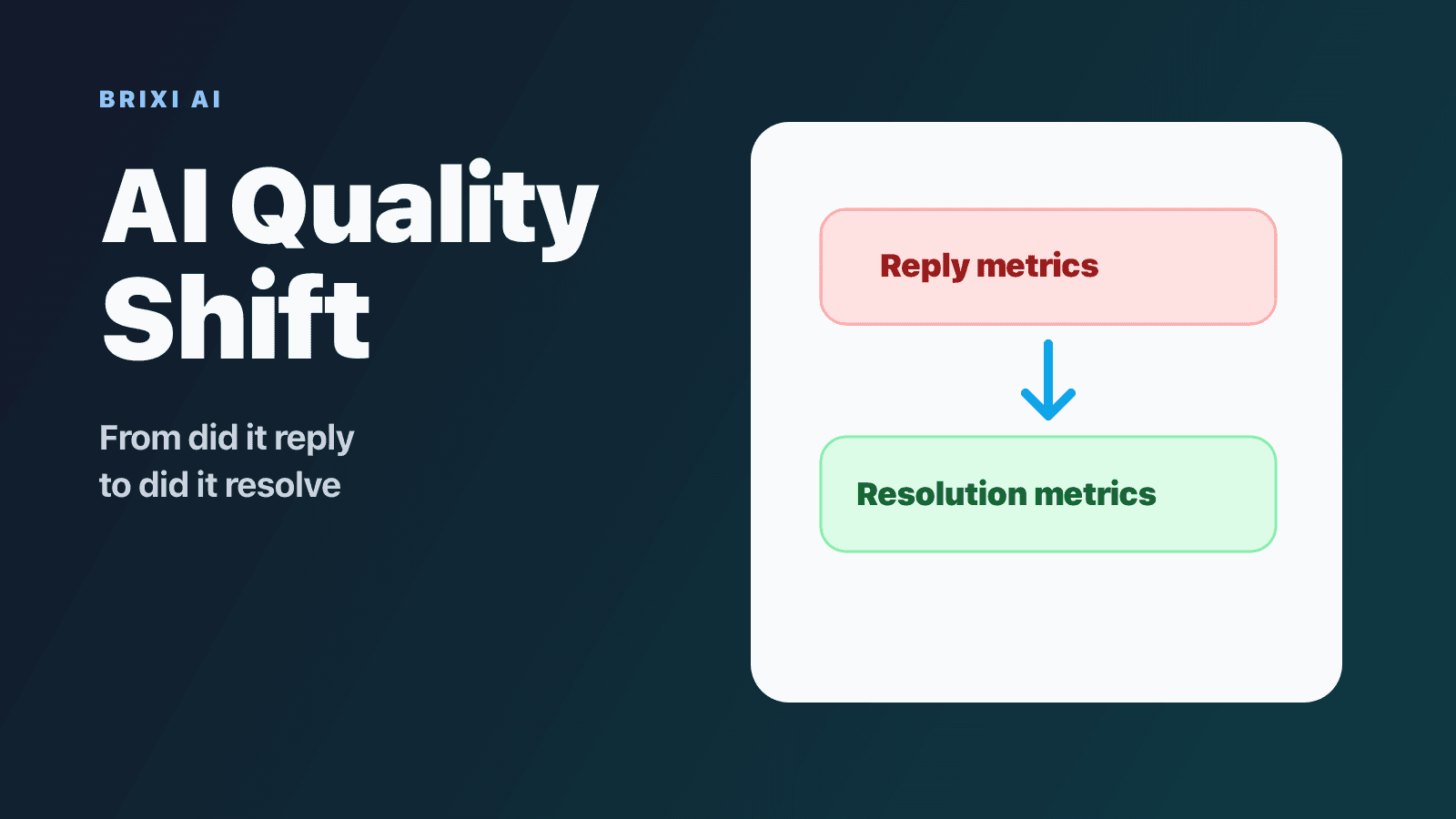
The AI Quality Shift: From Did It Reply to Did It Resolve
Fast AI replies are no longer enough. Customer-facing teams need to measure whether AI resolved the issue, routed the work, preserved trust, and moved the customer journey forward.
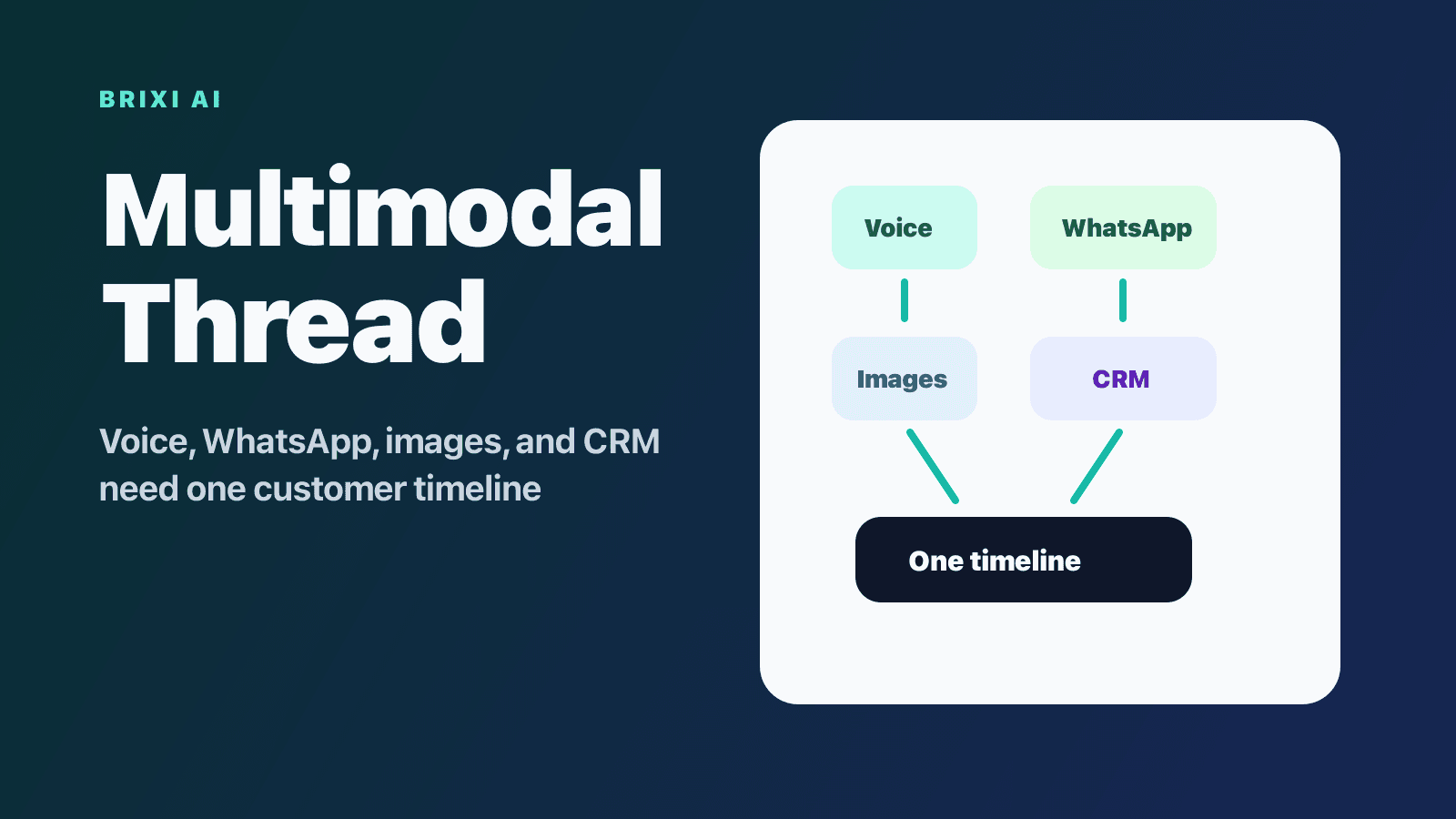
The Multimodal Thread: Why Voice, WhatsApp, Images, and CRM Need One Timeline
Customers do not communicate in one format anymore. They send screenshots, voice notes, WhatsApp replies, calls, and form details. The Multimodal Thread is how teams keep one customer timeline across all of it.
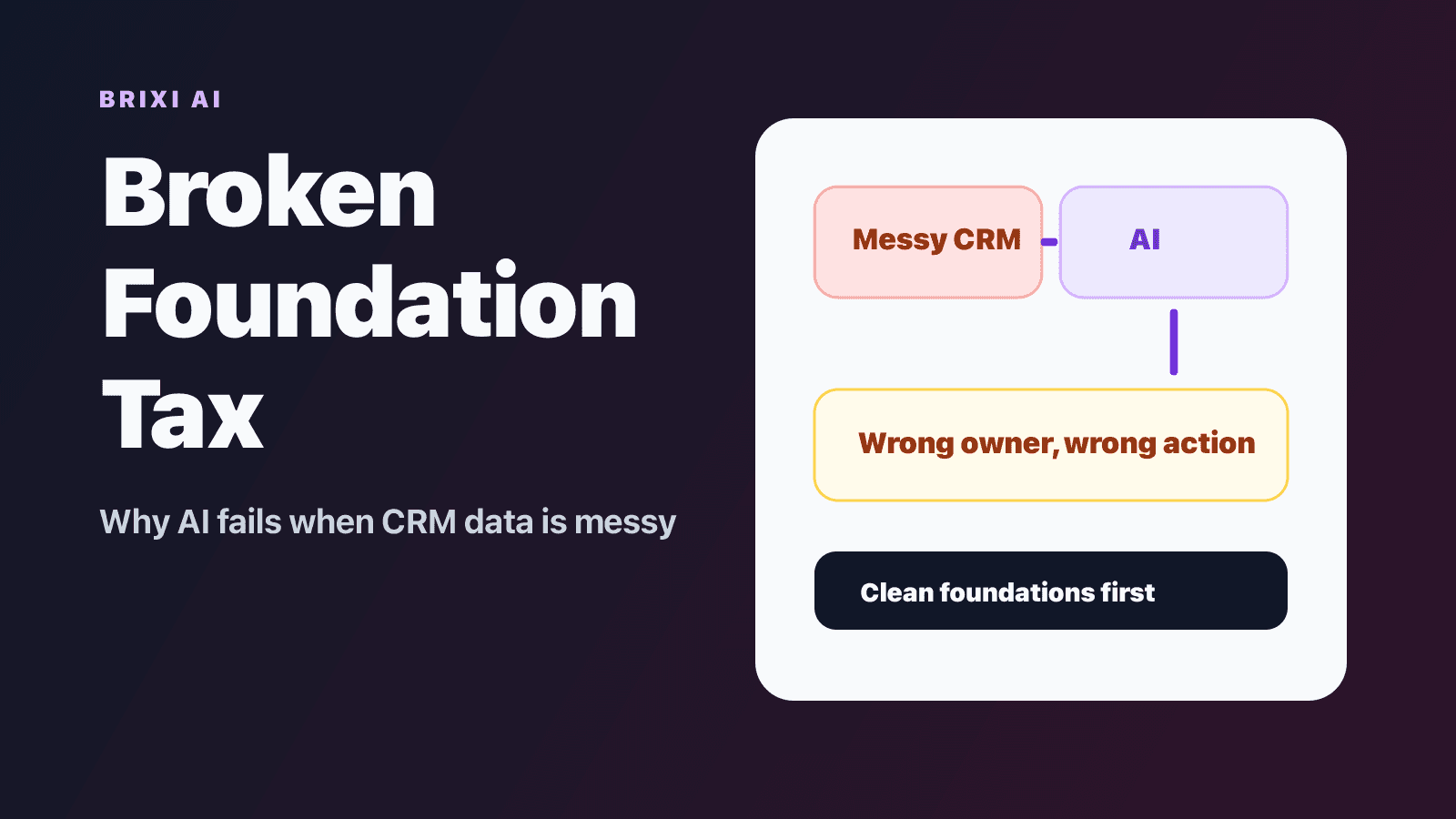
The Broken Foundation Tax: Why AI Fails When CRM Data Is Messy
AI rewards strong operating foundations and exposes weak ones. The Broken Foundation Tax is what teams pay when they add AI on top of messy CRM data, unclear ownership, and stale routing rules.
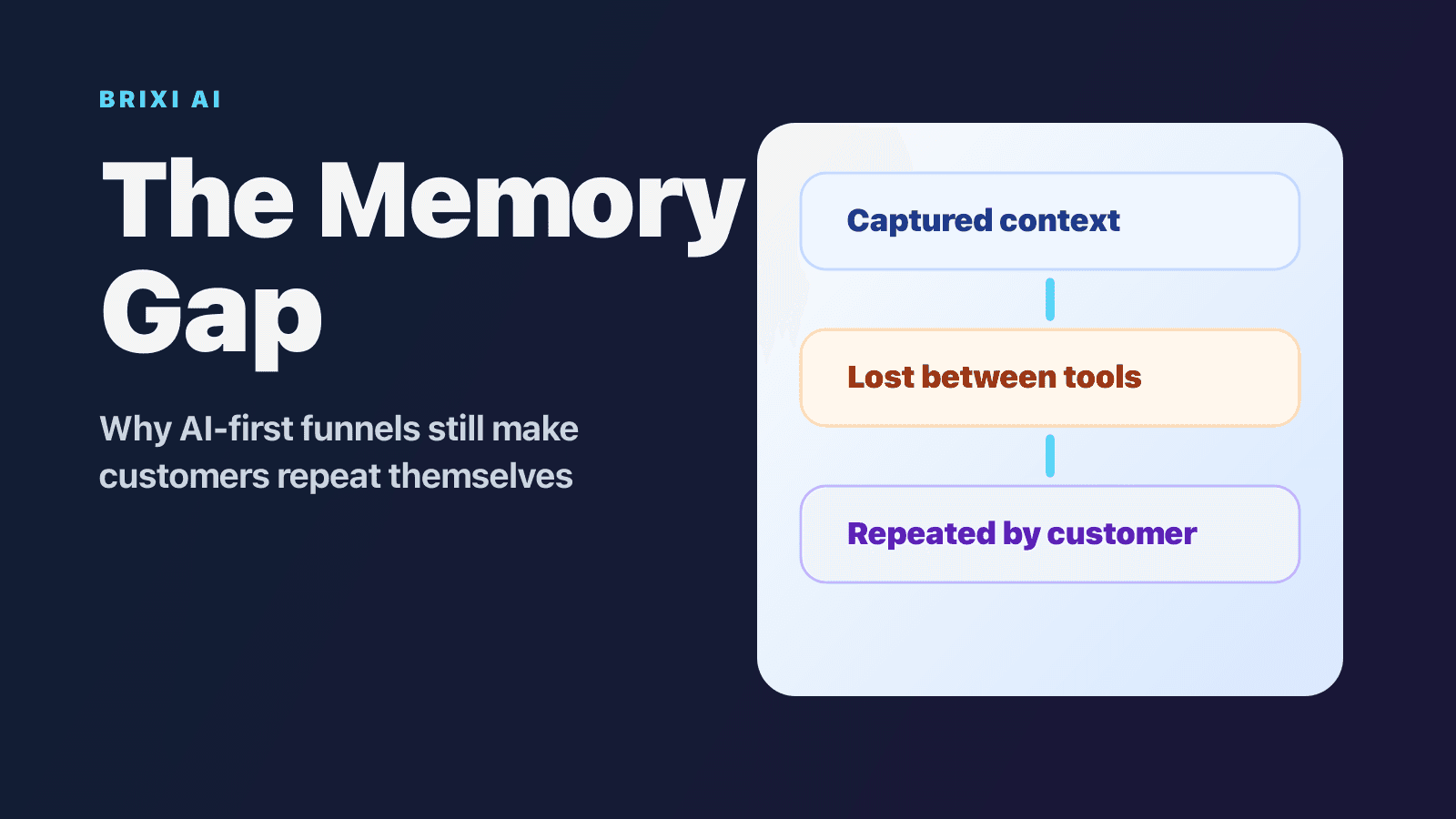
The Memory Gap: Why Customers Still Repeat Themselves in AI-First Funnels
AI-first funnels promise speed, but customers still repeat themselves across chat, WhatsApp, voice, and sales calls. The Memory Gap is the hidden reason those journeys feel automated but not intelligent.
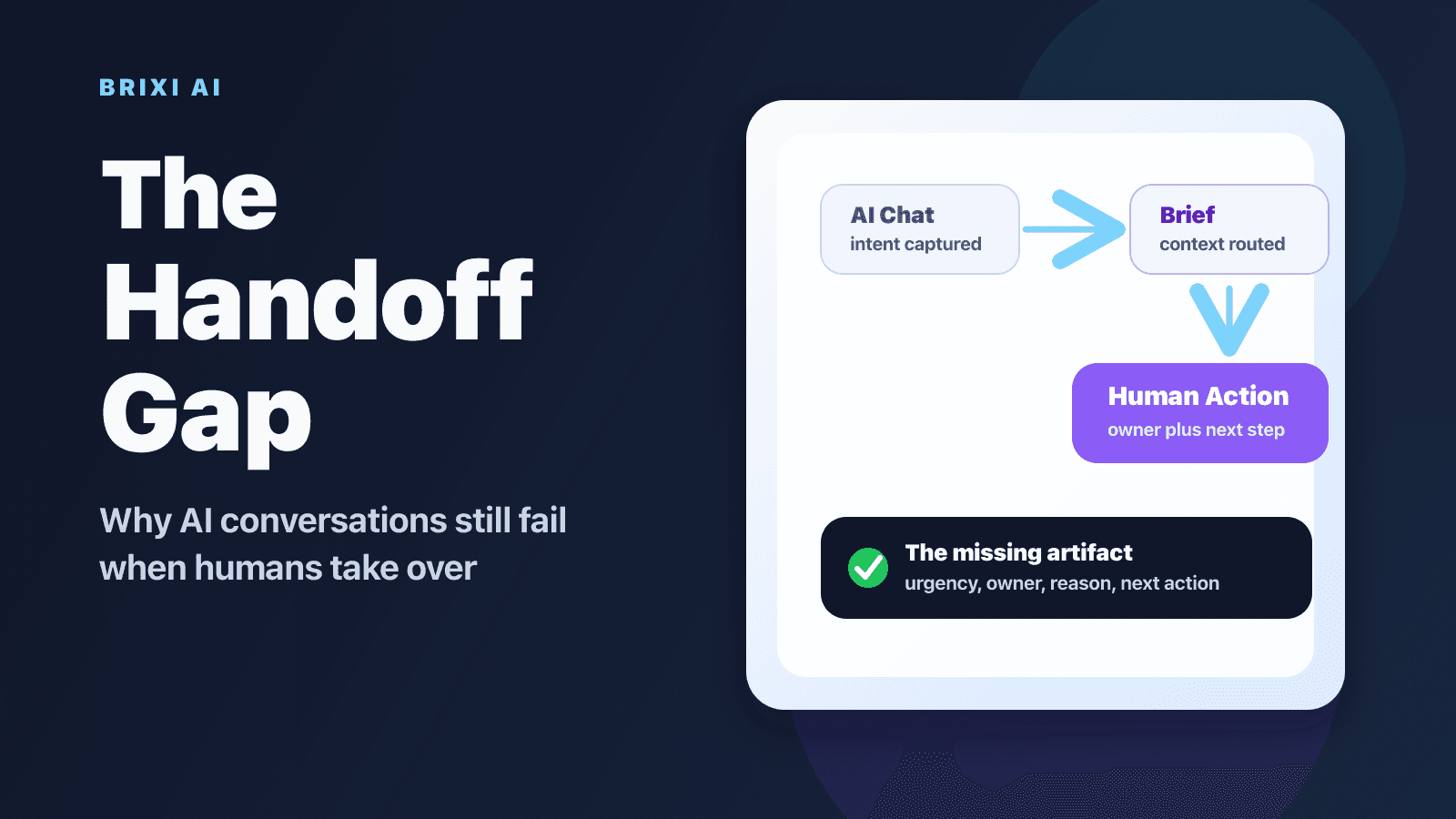
The Handoff Gap: Why AI Conversations Still Fail When Humans Take Over
Most teams focus on whether AI can answer the customer. The bigger failure happens when AI cannot hand the conversation to the right human with enough context, urgency, intent, and next steps.
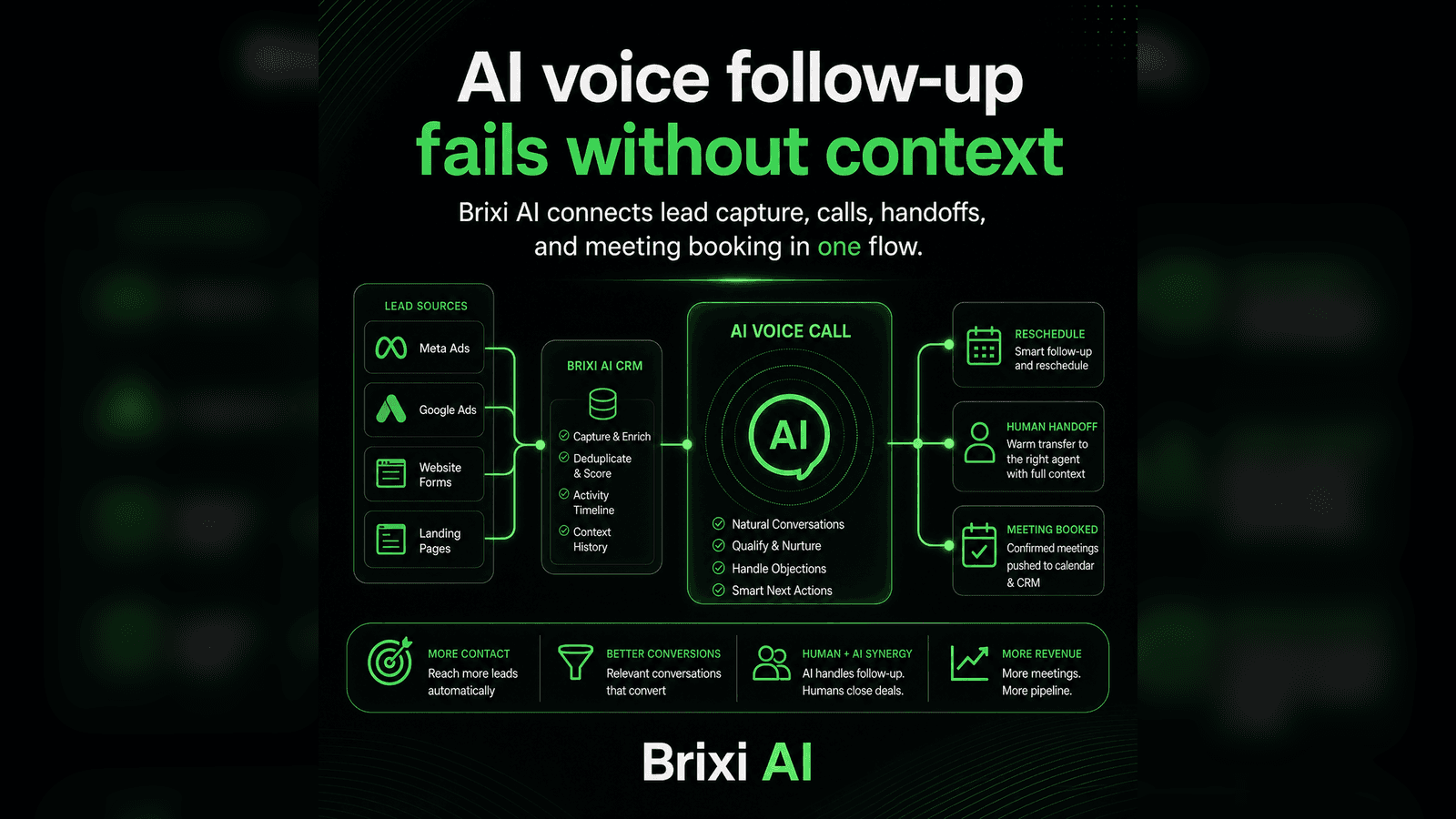
The Workflow Glue Tax: Why Autonomous Voice AI Beats Automation Patching
Most voice AI can talk. The hidden bill arrives after the call, when n8n, a consultant, and a chain of webhooks have to carry the outcome into your CRM. That bill is the Workflow Glue Tax, and it is why a connected platform beats a patched one.
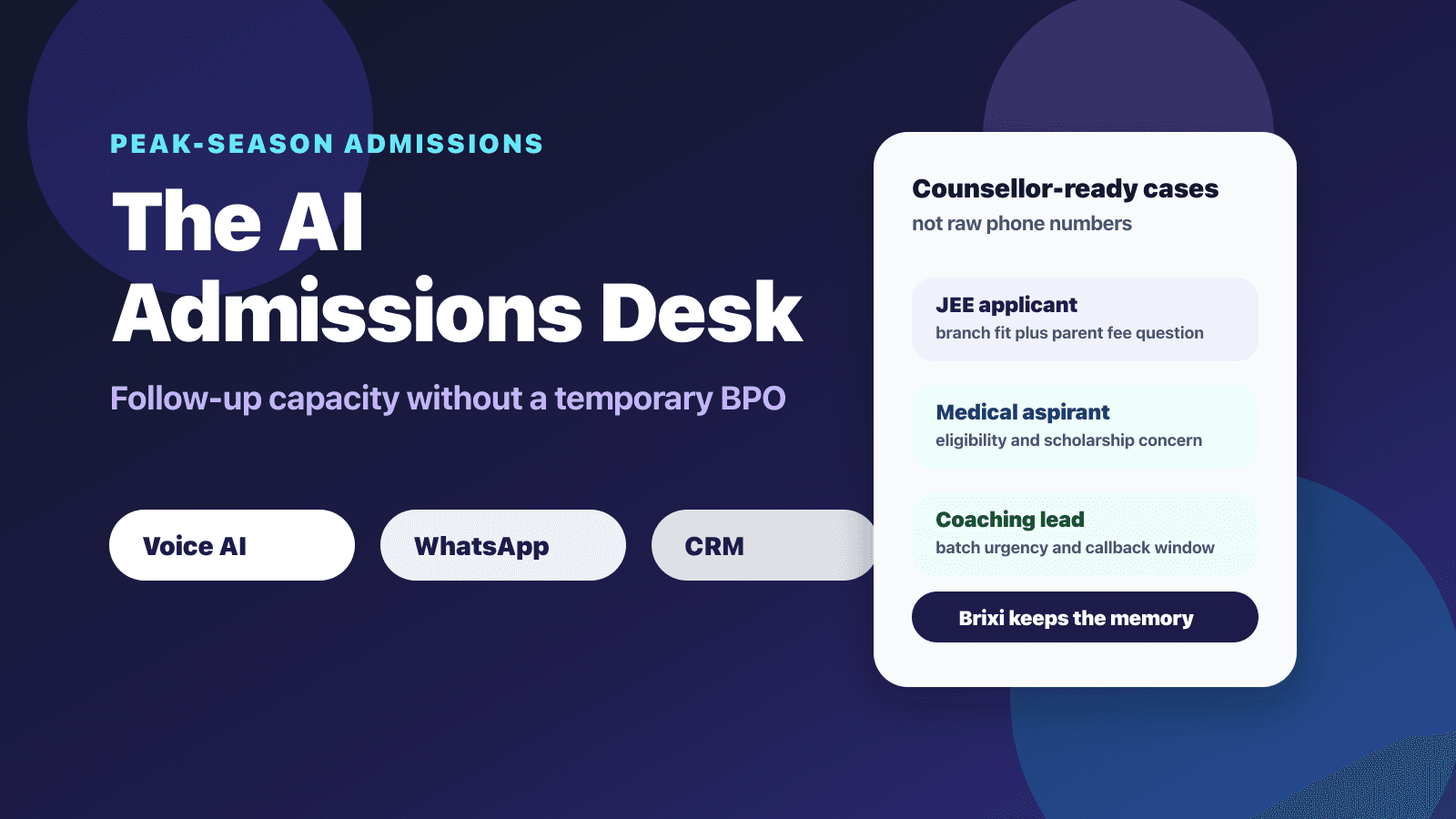
The AI Admissions Desk: How Colleges Handle Peak-Season Follow-Up Without a Temporary BPO
Admission season creates a 45-day capacity spike that many colleges try to solve with temporary callers. The better answer is an AI admissions desk that qualifies, reminds, routes, and keeps counsellors focused on serious student and parent decisions.
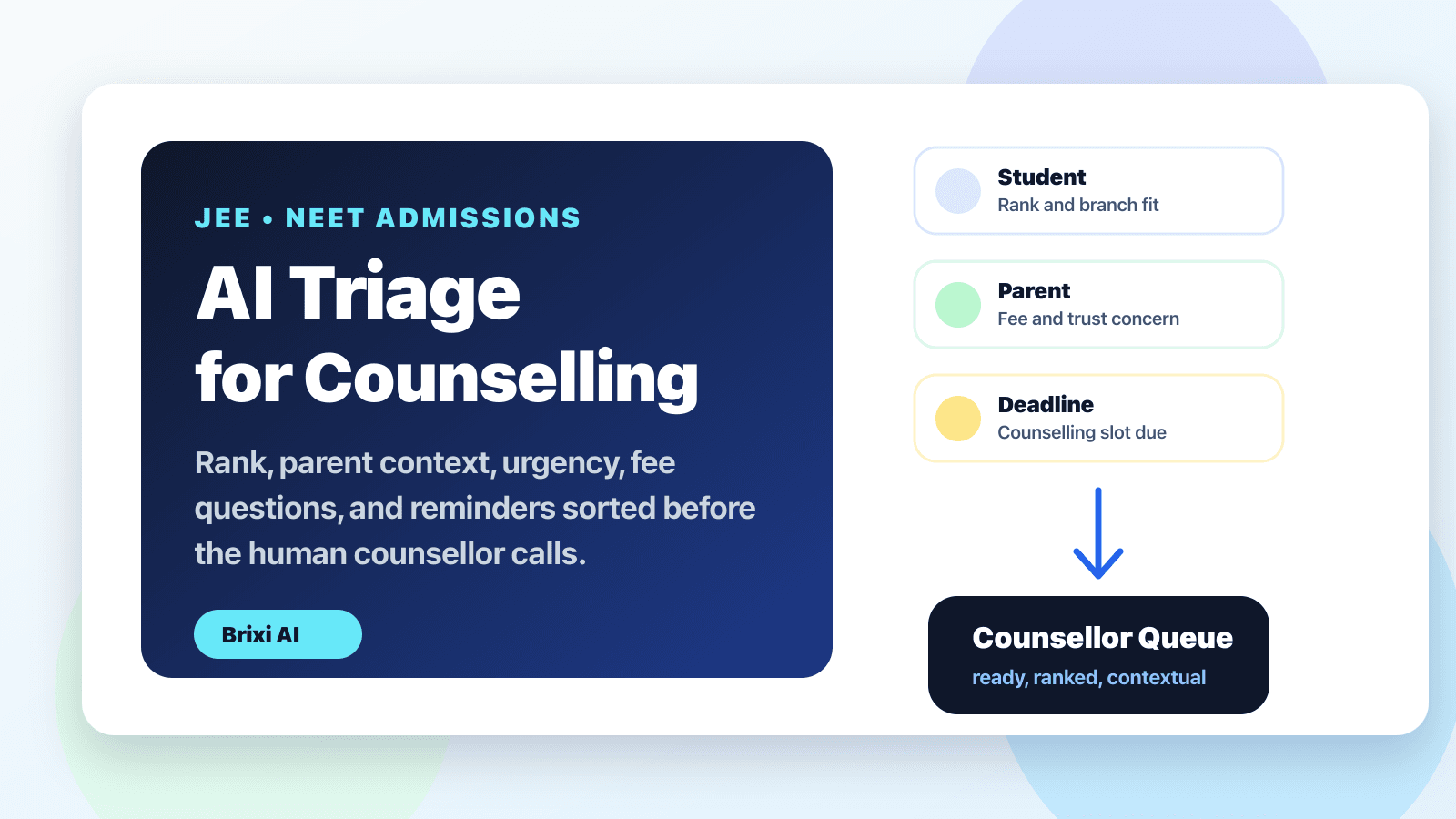
Why Colleges Need AI Triage During the JEE and NEET Admissions Rush
After JEE and NEET, admission counsellors do not need a bigger raw call list. They need AI triage that identifies which students are ready, confused, parent-led, fee-sensitive, or at risk of drifting before a human counsellor spends the next hour calling.