Synthflow Builds Voice Agents. Brixi Unifies the Sales Conversation.
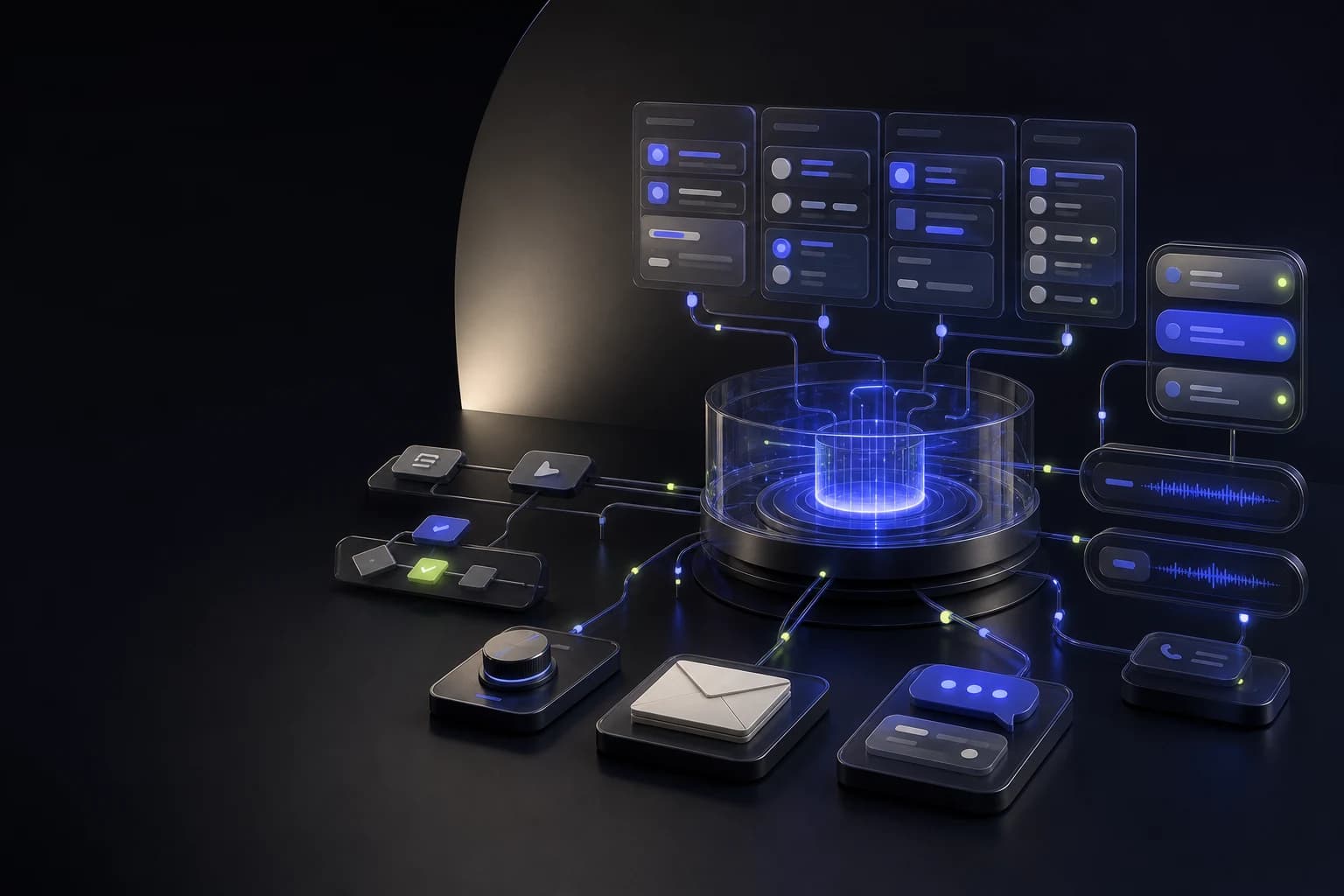
Synthflow helps build voice agents. Brixi is the easy-to-use AI operating platform for business teams: low-latency Voice AI, WhatsApp AI, CRM, routing, follow-up, reporting, and direct channel connections in one workspace.
One operating layer
Brixi vs Synthflow: feature by feature
A practical view of what each platform can do without extra tools, custom development, or manual workarounds.
Platform Scope
Both platforms support AI voice agents. Brixi also includes an easy-to-use no-code builder, low-latency conversation engine, flexible agent configuration, branching call paths, inbound support flows, and high-volume outbound — with CRM context, source, intent, owner, stage, and prior conversations already connected.
Synthflow can connect into other systems, but those connections still need ownership, field mapping, routing, and maintenance. Brixi natively brings calls, WhatsApp replies, emails, and web chats into one lead timeline.
Synthflow is not the system of record for sales pipeline. Brixi is the CRM, so call outcomes, channel history, lead stage, rep ownership, and follow-up tasks stay in the same workspace.
Brixi scores intent across calls, WhatsApp, email, web chat, form source, and engagement history. Synthflow can pass events through integrations, but intent logic has to be designed elsewhere.
Workflow Depth
After a Brixi call, the platform can update the CRM, send WhatsApp confirmation, schedule a callback, alert a rep, or continue by email. With Synthflow, that workflow depends on how the surrounding stack is wired.
Brixi hands off hot conversations with transcript, channel history, intent signal, and lead record in one place. Integration-first setups often hand off the call but lose part of the customer context.
Brixi owns the inbound journey from first message to booked meeting. Synthflow can participate in that journey, but another CRM or workflow platform usually has to coordinate the rest.
Implementation & Cost
Synthflow is approachable, but production workflows still require integration design. Brixi starts with the channels, CRM, routing, reporting, and follow-up model already connected.
Custom integrations break when fields, APIs, stages, or routing rules change. Brixi reduces that overhead by keeping inbound channels and CRM logic native.
The comparison is not only per-minute voice cost. Sales teams should model CRM seats, inbox tools, automation platforms, integration work, and rep time. Brixi consolidates the operating stack.
Why Businesses Leave Synthflow
Common frustrations we hear from customers who switched.
Custom Integration Still Needs Ownership
Connecting a voice agent to a CRM is only the first step. Someone still has to own field mapping, routing, retries, escalations, and reporting.
Inbound Channels Stay Fragmented
A buyer may call, reply on WhatsApp, continue by email, and return through web chat. If those channels live in separate tools, reps lose context.
Voice Alone Does Not Close the Loop
The revenue lift comes from what happens after the call: follow-up, hand-off, prioritisation, appointment booking, and pipeline movement.
The Brixi Advantage
The AI operating layer for sales, support, and operations teams, with low-latency Voice AI, WhatsApp AI, CRM, workflow automation, reporting, buyer intent, and direct channel connections in one workspace.
Native Omnichannel Inbound
Voice, WhatsApp, email, and web chat feed one customer timeline instead of being stitched together with custom integrations.
Context-Aware Voice AI
Every AI call starts with CRM stage, channel history, source, owner, and intent already available, while teams configure agents, branches, support flows, and outbound motion without code.
Lower Integration Overhead
Sales teams manage scripts, routing, follow-up, and reporting in one platform instead of maintaining a patchwork of tools.
Before you switch
Security and onboarding questions
Ready to Upgrade?
Move from Synthflow to an AI operating layer that connects sales, support, service, routing, follow-up, and reporting in one workspace.